A history of addiction & the people inside it
Addiction has a history.
So does the way we keep
making it worse.
From Fire to Fentanyl traces thousands of years of how societies have answered human pain — with care, or with control.
Every era insists this time is different.
The drugs are stronger now. The users are different now. The danger is greater now. We have told ourselves this story in every century, and acted on it.
It rarely holds. Again and again, societies meet human pain and craving first with care, then with fear, then with control — and then live with the consequences of the choice. Prohibition hardens. Black markets rise. Potency climbs. Stigma deepens. The harm concentrates among those with the least protection.
The danger was never only in the drug. It was in how each era chose to answer it.
Once you can see that pattern, you cannot unsee it — and you can begin to recognize the moment when a familiar failure arrives dressed as a new solution. That recognition is what this work is for.
From Fire to Fentanyl
A History of Addiction and the Struggle Between Care and Control
From the first intoxicants to the synthetic era, this is the long story of how cultures have understood altered states — sacred and feared, medicine and threat — and how moral panic, again and again, has turned human suffering into something to be punished rather than helped.
It is interdisciplinary, carefully sourced, and unmistakably human: written by someone who sat with people in their hardest hours, and who believes the record shows us a better way to answer the next crisis.
Between Hope and Fear
Loving someone in the fentanyl era is its own kind of fear. This free guide is for families — how to stay ready, stay connected, and stay hopeful, honestly. Compassion, not condemnation, is what keeps a person reachable.
Structural insight, told humanely.
The throughline is addiction — its history, its policy, and the language we use for the people inside it. My wider work extends the same lens to related ground, including neurodivergence and family.
Addiction history & policy
The care–control cycle across thousands of years, and what it reveals about today's fentanyl crisis.
Recovery language & stigma
How the words a society uses for suffering shape whether it responds with care or control.
Systems & reintegration
The same structural analysis applied to homelessness and veteran reintegration.
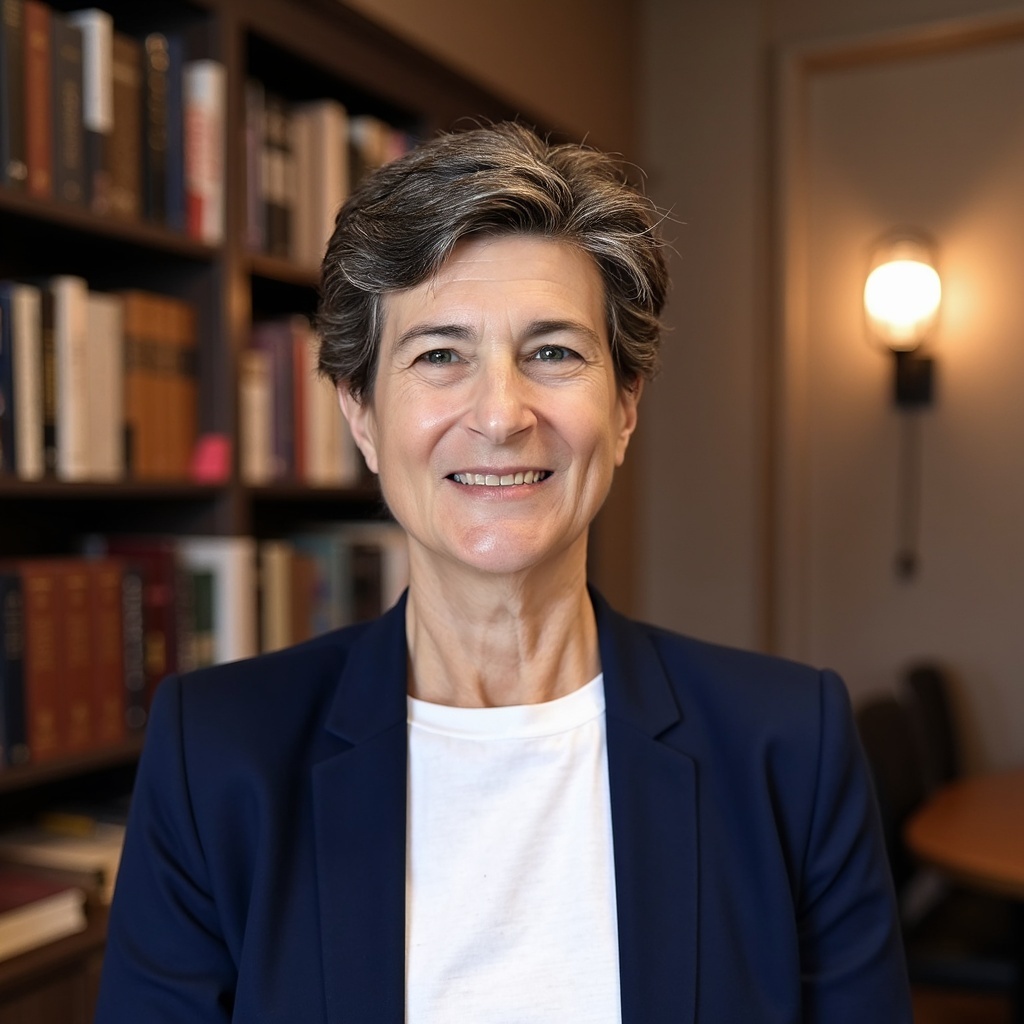
Cindy Swartz-Garcia
I trained as an addiction clinician and spent more than fifteen years in the field — in methadone clinics, mobile crisis, in-home family counseling, and a hospital detox unit — before retiring from practice in 2019.
From Fire to Fentanyl grew out of that work, and out of personal loss. I write in the conviction that compassion is not the opposite of taking addiction seriously — it is how we take it seriously, and keep people alive.